Black Maternal Health & Birth Trauma: Healing in a System That Wasn’t Built for Us
Black Mothers Are 3x More Likely to Die from Pregnancy-Related Causes
That’s not a myth. That’s not a statistic meant to shock—it’s reality.
According to the CDC, Black women in the U.S. are three times more likely to die from pregnancy-related complications than white women. But the story doesn’t stop at mortality.
Behind every maternal death are thousands of Black women living with unspoken pain, anxiety, trauma, and survival stories that never make headlines.
Many of us walk out of the hospital alive—but emotionally shattered. Dismissed. Ignored. Traumatized.
And then, we’re told to be grateful. To smile. To carry on.
But here’s the truth:
This isn’t just personal—it’s systemic. And it’s real.
And you are allowed to talk about it.
The Unspoken Reality
Black mothers know the fear of going into labor and wondering:
“Will they listen to me?”
“Will they believe me if I say something’s wrong?”
“Will I make it out?”
This isn’t anxiety plucked from thin air. It’s rooted in history—and in far too many lived experiences.
Racial Bias in Medical Care
Black women have long been victims of racial bias and neglect in medical spaces. Research shows we are less likely to receive pain medication, more likely to be ignored when expressing symptoms, and more likely to face dangerous delays in care.
This includes during labor and delivery, where Black women report being shouted over, denied basic dignity, or not given full information about interventions. These traumatic experiences are echoed again and again in birth trauma support groups across the country.
Dismissal of Pain, Advocacy, and Instinct
Many Black mothers speak up—and are shut down. They try to advocate for themselves—but are called aggressive. They express discomfort—but are labeled dramatic.
That dismissal leads to psychological trauma, especially when you’re trying to trust your body, protect your baby, and survive a system that doesn’t see you.
Feeling Unseen, Unheard, and Unsafe
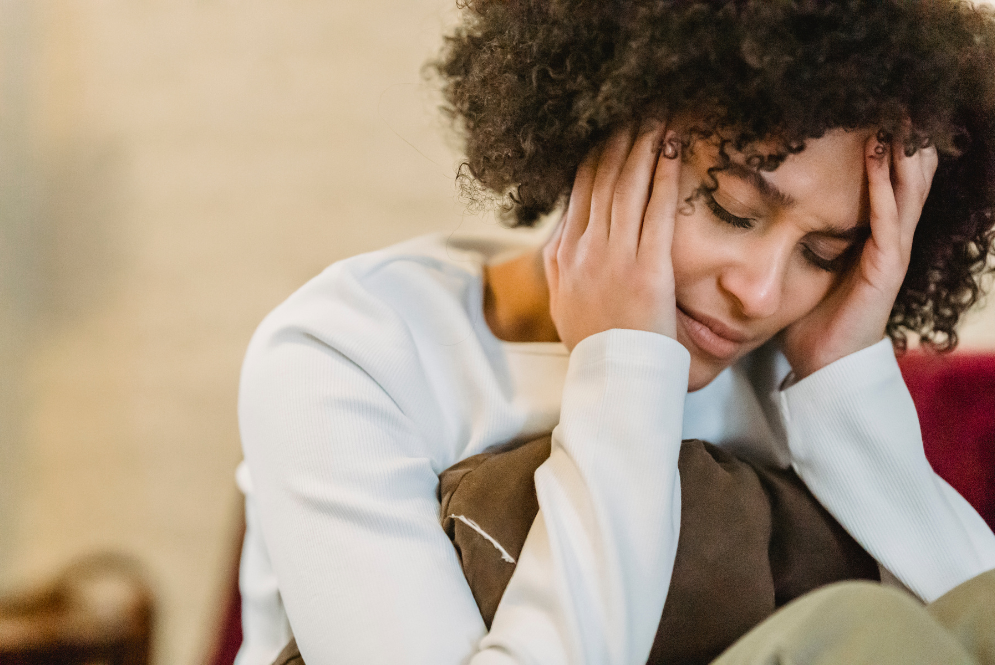
You deserve to feel safe when you give birth. You deserve to be seen—not just as a patient, but as a person. And when that doesn’t happen, it’s not just a bad experience. It’s birth trauma.
Many women find healing through birth trauma groups that offer a space to process these deep emotional wounds. Whether in-person or through an online birth trauma support group, sharing your story in a space where others “get it” is a powerful part of recovery.
How This Impacts Mental Health
When your birth experience is shaped by trauma and racial harm, the impact doesn’t end after the hospital stay. It seeps into your postpartum period. It follows you home. It lingers in your nervous system and your everyday thoughts.
Chronic Stress and Anxiety
Many Black mothers live in a state of hypervigilance—not just for themselves, but for their babies. You’re constantly scanning for signs of danger. You overthink every symptom, every rash, every decision.
That level of chronic stress wears on the mind and body.
It disrupts sleep, appetite, memory, and joy.
It can even lead to postpartum depression, postpartum anxiety, or post-traumatic stress disorder (PTSD).
Joining a post partum depression support group or working with a trauma-informed therapist who understands racialized trauma can be life-changing.
Hypervigilance Around Your Health and Your Child’s
When you've been dismissed once, it's hard to trust again.
You may become intensely protective—worried that if you don’t stay alert, something will be missed. Something will go wrong. And it will be on you.
This is exhausting. It’s isolating. And it’s not your fault.
Internalized Pressure to Stay “Strong”
Black women are often raised on the narrative of the “strong Black woman.” We’re told to push through. To handle it. To stay silent and stay grateful.
But strength doesn’t mean silence.
Strength is naming your pain.
Strength is asking for help.
Strength is choosing healing over hiding.
Resources like affordable therapy for moms, postpartum depression counseling, and online therapy for moms are essential steps toward healing that centers emotional wellbeing and resilience—not just survival.

What Birth Trauma Looks Like in Black Mothers
Birth trauma doesn’t always look like screaming in pain or emergency surgeries—though it can.
Often, it’s quieter. More invisible. More internal.
Silent Suffering
You may not have the words for what happened.
You may just know that you didn’t feel safe.
You may wake up shaking. Crying. Feeling disconnected from your baby. Feeling rage you can’t explain.
That’s trauma. And it deserves care.
Lack of Culturally Competent Mental Health Care
For many Black mothers, even when we seek therapy, we can’t find therapists who look like us or understand us. We’re tired of explaining microaggressions, cultural norms, or why that birth comment hit so hard.
This is why counseling for mothers, particularly through a trauma-informed and culturally sensitive lens, is essential. And for those in states like California or Florida, resources like counseling for mothers are making trauma-informed care more accessible.
Pressure to Move On and Stay Grateful
Yes, your baby is healthy—and you’re thankful. But that doesn’t erase your experience. You can be grateful for your baby and still grieve your birth. You can love motherhood and still feel wounded by how it began.
The Role of Culturally Sensitive Intensives
At Sowania Germain’s practice, we specialize in therapy intensives for moms who need more than just weekly sessions. Especially for Black mothers, these intensives create the space, safety, and cultural sensitivity necessary for true healing.
A Space Where Your Experience Is Not Minimized
This is not a space where you’ll be told to move on or stop being angry.
This is a space where your pain is honored, your story is heard, and your identity is central—not sidelined.
Whether your trauma was during labor and delivery, in a hospital, or at the hands of a dismissive provider, we help you unpack it gently, safely, and without judgment.
Validation and Healing Through a Racial Justice-Informed Lens
You are not overreacting. You are not imagining it.
The trauma you carry is real—and it is often layered with racial harm.
Our work acknowledges how racism, bias, and systemic neglect shape your mental health experience. We approach healing with both emotional depth and racial justice awareness, so you’re not just treated—you’re truly supported.
Therapy That Honors Your Identity, Culture, and Voice
Your identity matters.
Your culture matters.
Your voice matters.
Whether you attend in-person or connect through online therapy for moms, our approach incorporates your values, your story, and your lived experience as a Black mother. We recognize how important this is to Black maternal health, and we are here to help you reclaim it.
You Are Not Alone in This
You’re not the only one feeling like this. You’re not the only one who’s been hurt. And you’re not the only one ready to heal.
There are birth trauma support groups and postpartum support groups growing every day—intentional spaces that center your reality, your rest, and your recovery.
You are allowed to say, “This hurt me.”
You are allowed to say, “I need help.”
You are allowed to heal—fully, deeply, and unapologetically.
This Work Is About More Than Survival—It’s About Thriving
You survived. But that’s not the end of your story.
Now it’s time to thrive.
To reclaim your voice.
To reconnect with your body.
To find joy in motherhood again—not in spite of your trauma, but through the healing of it.
Support for Black Moms Should Be Intentional, Informed, and Healing
At Sowania Germain’s practice, we offer trauma-informed care built specifically for moms navigating birth trauma, postpartum mental health, and the unique challenges of Black maternal health. Our services include:
Online birth trauma support group
Therapy intensives for mothers
Affordable therapy for moms
Postpartum mental health support
Postpartum support groups
You don’t need to wait until it gets worse. You don’t need to carry it all alone. Healing is here—and it’s made for you.
👉 Click here to learn more or book a session and begin the journey back to yourself—with compassion, community, and care.